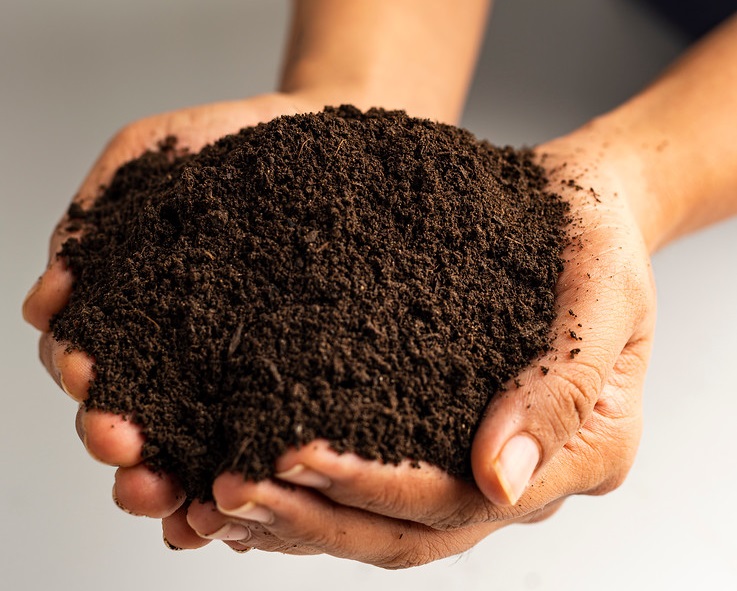


Benefits of Proper Vermicompost Application
One commonly discussed aspect of vermicomposting is determining the right time and method of application. The ideal application schedule depends on the type of farm or garden and the crops being grown, as different plants respond differently to organic inputs.
Some home gardeners prefer applying vermicompost once a month, while others space applications every two months. In commercial farming, application practices vary further due to scale, crop type, soil condition, and seasonal requirements.
Vermicompost offers wide-ranging benefits, from improving productivity in fields and orchards to supporting nurseries and cropping lands. The addition of mature humus, essential nutrients, natural plant growth promoters, and beneficial microorganisms enhances soil fertility, plant health, and overall crop performance.
Because of these advantages, proper application is essential to ensure the soil fully benefits from the fertility and biological activity vermicompost provides. Bulk application transforms soil into a humus-rich, fertile growing medium.
When Is the Optimal Time to Use Vermicompost?
Application timing varies by region, crop, and soil condition. Below is a general guideline suitable for orchards, crops, and fields across the Asia-Pacific region. Actual requirements may differ based on local conditions.
Orchards
The most effective time to apply vermicompost is during the establishment of a new orchard, when soil fertility is typically low. An initial application of up to 20 tonnes per hectare is recommended. In subsequent years, vermicompost can be applied throughout the year, ideally at the end of winter or early spring, when soil microbial activity is at its lowest.
Recommended application rates:
- New seedlings: 2–3 kg per plant
- Young trees: 4–8 kg per tree
- Fruiting trees: 8–15 kg per tree
- Mature or large trees: 15–25 kg per tree
- High-density rootstock plants: 3–5 kg per application
Cropping (Vegetables and Field Crops)
For cropping systems, the main objective is to improve root development and maintain healthy humus levels. Vermicompost is best applied after soil tillage (if required) and before planting.
It is important to keep vermicompost near the soil surface, where young plants establish their roots and where humic acids are most effective. Avoid applying vermicompost before deep tillage, as burying it too deeply reduces its benefits.
There are strong economic and agronomic reasons to use vermicompost across both home gardens and commercial farms. While large-scale operations may require different application strategies than home use, both can achieve excellent results when applied correctly.
Reach out to Agrisoil to learn how vermicompost can help your soil reach its full potential and support long-term, sustainable productivity. 🌱